 Connecting Ambitions to World-Class Universities

Germany continues to be an excellent destination for students from all parts of the globe. In 2025, there will be over 400,000 international students enrolled in more than 400 universities. Remarkably, public universities offer free tuition for undergraduate degrees. Monthly estimated living expenses range from €850 to €1,200. Furthermore, you are likely to find employment after graduation, as there are many engineering and technology jobs available. At PMK World Education, we help students like you as study abroad consultants to make this happen.
Free Expert Consultation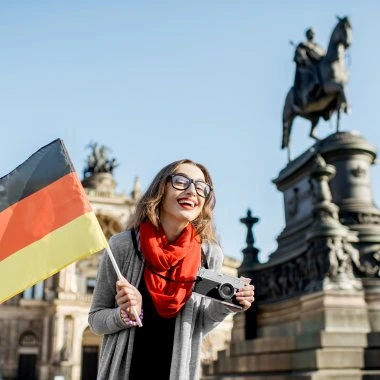
At PMK World Education, we streamline every step to make your path to studying in Germany simple and stress-free. This section covers the compelling reasons, key insights, and clear actions to begin, empowering you with the knowledge to confidently move forward.
Germany's higher education system stands among the world's finest, renowned for excellence in research and innovation, with projections showing continued strong growth driven by global demand for skilled graduates. Over 400,000 international students are currently enrolled, a number expected to rise significantly by 2030. Public universities offer tuition-free education (only nominal semester fees of €150-€400), while private options vary making it highly affordable compared to other top destinations.
With more than 400 universities and thousands of programs concentrated in dynamic cities, bachelor's degrees typically last three years and master's one to two years, many fully taught in English. These elements highlight why Germany provides an accessible, high-quality, and vibrant study experience tailored for ambitious students like you. Reach out to us today to start your journey.
First, public universities usually don’t ask for tuition fees for bachelor’s programs, even if you’re from another country. This saves a lot of money. Private universities might charge, but they give extra support, like smaller classes.
Germany is also known for its amazing research. If you like engineering or science, you can work on projects that connect to real jobs. For example, students often join projects that help them learn skills companies want.
Germany's universities, including TU Munich and Heidelberg, rank globally high for rigorous, research-focused programs delivering world-class academic excellence.
Public universities charge no tuition fees (only €150-€400 semester contributions), with affordable living costs compared to other top study destinations.
Over 1,500 programs are fully taught in English, enabling seamless studies for international students without mandatory German proficiency.
Experience Germany's diverse history, festivals like Oktoberfest, and vibrant arts scene, blending tradition with modern European lifestyle.
When deciding to pursue studies in Germany, select a program that aligns with your passions and career aspirations and options abound across engineering, business, humanities, and beyond.
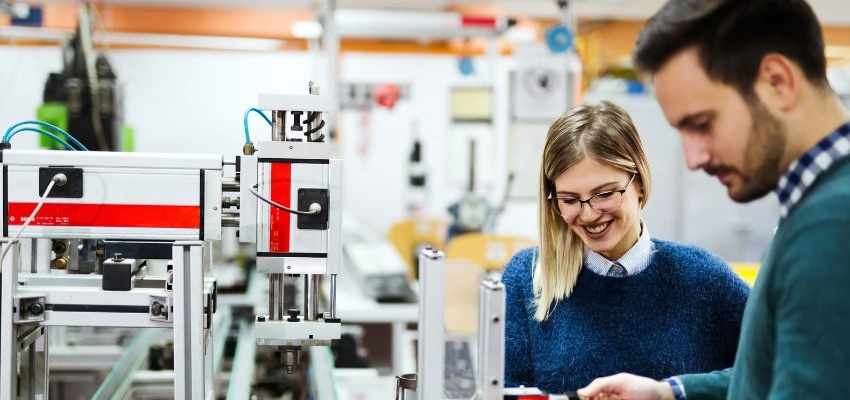
Engineering in Germany attracts students passionate about applying creativity to solve pressing societal challenges, such as sustainable infrastructure and advanced manufacturing, offering exceptional job security with high demand and attractive salaries in Europe's strongest economy.

Medical programs draw aspiring professionals eager to impact lives directly through patient care and groundbreaking treatments, thriving in a field renowned for continuous innovation, cutting-edge research, and evolving healthcare discoveries.

A business qualification from Germany equips you for lucrative, versatile careers across global industries, developing essential skills in strategic decision-making, leadership, and effective communication amid constant market needs.
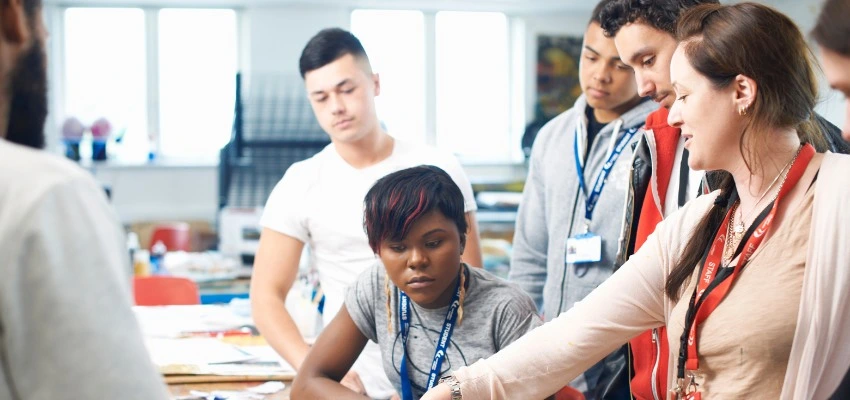
These disciplines open diverse paths including curation, journalism, heritage management, or diplomacy, while sharpening critical analysis, research proficiency, intercultural understanding, and expressive communication abilities.

Science courses integrate hands-on laboratory work with in-depth exploration of critical global issues like climate action and biodiversity, empowering you to contribute meaningfully to environmental solutions and scientific progress.

Enrollments in tech programs are projected to surge significantly by 2030 due to booming digital transformation demands; highly accessible for international students with numerous English-taught options available.
Studying in Germany is affordable. Public universities don’t charge tuition for bachelor’s degrees, but you pay small fees, like €150 to €300 per semester, for things like bus passes. Master’s programs at private schools might cost €5,000 to €20,000 a year.
Here’s a table of monthly costs for students:
| Category | Monthly Cost (€) | Details |
|---|---|---|
| Rent (shared flat) | 300-600 | Cheaper in small cities; includes water and heat. |
| Food/Groceries | 150-250 | Cooking yourself saves money; eating out costs more. |
| Transport | 30-60 | Student tickets cover buses and trains. |
| Health Insurance | 80-110 | You need this; public plans are good. |
| Internet/Phone | 20-40 | Basic plans work for most students. |
| Fun/Other | 50-100 | For books, movies, or a gym pass. |
| Total | 630-1,160 | Depends on where you live and your habits. |
This table shows how to plan your money. You can work part-time to help pay for things. The DAAD says you need €992 a month to get a visa.
Studying in Germany is highly affordable thanks to numerous scholarships designed for international students. The DAAD Deutschlandstipendium provides €300 monthly for academically strong or socially engaged candidates, while Erasmus+ supports mobility and exchanges across Europe.
Top universities like TUM offer merit-based awards up to €1,500 per semester, and foundations such as Friedrich Ebert Stiftung fund students committed to social justice. Applications typically require excellent grades and a strong motivation letter deadlines often fall in winter. At PMK World Education, we expertly guide you through the process to secure the best funding opportunities.
Graduating in Germany opens doors to a thriving job market with strong demand for skilled professionals. Key sectors like engineering, IT, and healthcare face significant shortages, with hundreds of thousands of vacancies projected in the coming years due to demographic shifts and digital transformation.
Berlin's vibrant tech scene leads in AI and software development, offering competitive starting salaries often exceeding €50,000 annually. Renewable energy is also booming as Germany accelerates its sustainable initiatives. International graduates can stay up to 18 months on a job-seeker visa to find qualified employment, contributing vitally to the economy.
At PMK World Education, we've successfully supported many alumni in securing rewarding positions. Let us help you too!
The steps to study in Germany may seem daunting at first, but breaking them down makes everything manageable. Begin by researching programs that match your career goals, then gather essential documents like transcripts and passport. The full process typically takes 3-6 months, so plan ahead and start early.
German universities primarily offer two main intakes: winter semester (October start, applications usually January–July) and summer semester (April start, applications July–January). Popular programs, especially in engineering and tech, fill quickly for winter apply early to secure spots and accommodation. Some universities accept applications year-round for select courses.
At PMK World Education, our years of expertise as a trusted study abroad consultant have empowered over 10,000+ students to successfully pursue higher education in Germany through fully customized guidance. We recently crafted effective visa strategies for a group of African students, resulting in a 90% approval rate. Our team deeply understands German admission and visa regulations, meticulously reviewing applications and helping you craft compelling personal statements that highlight your unique strengths.
Parents rely on us for reliable, stress-free support that delivers results. Students frequently share how our assistance made their transition smooth and rewarding. From navigating requirements to securing funding, we handle complexities efficiently.
Contact PMK World Education for free expert consultation on studying in Germany. Our experienced counselors will guide you through the entire process.
Contact Us Now